Cenwei Zhang
Everything is Learnable.

The Chinese University of Hong Kong
MSc in Information Engineering & AI
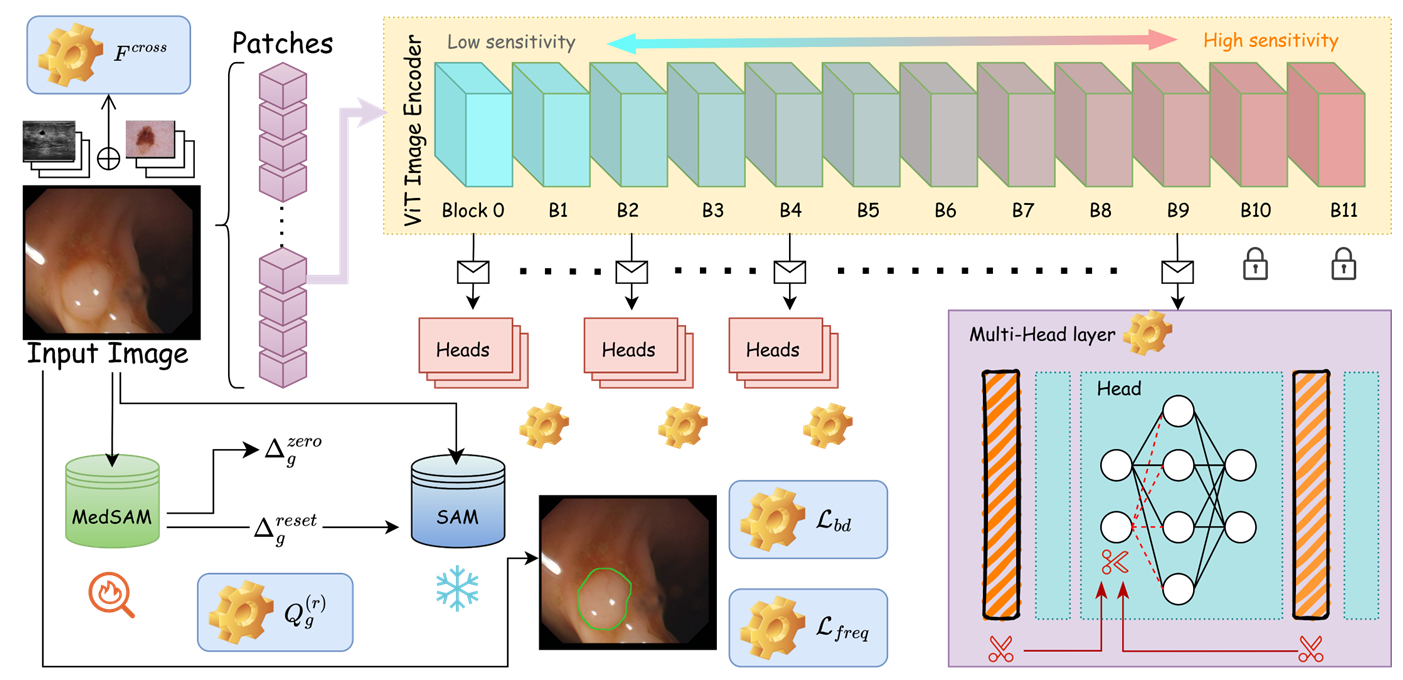
I am a MSc student at The Chinese University of Hong Kong, supervised by Prof. LIEW Soung Chang and Prof. DU Yuyang. My current research focuses on reliable self-evolving AI & recursive self-improvement on Physical AI. Besides, I also have an interest in generative modeling and medical computer vision. Meanwhile, I am working at IQuest Research, Ubiquant as a LLM algorithm intern, where I have accumulated extensive AI engineering experience and improved myself in traing & reasoning models on GPU clusters.
Before that, I earned my B.Eng. from Shanghai Jiao Tong University in summer 2026, where I studied the internal mechanisms for medical image understanding supervised by Asst. Prof. Suncheng Xiang. I am also deeply grateful for the guidance I received from Dr. Manxi Lin and Dr. Lin Zhu. I am also fortunate to be closely and warmly mentored by Asst. Prof. Lei You and will have a collaboration for a long time.
With humility and an open mind, I hope to further explore RSI, LLM/VLM engineering, and AI4Med, and I am always open to meaningful communication and collaboration!
Outside of research and study, I enjoy citywalking, hiking, and Genshin Impact!
📢 I am expected to graduate in Summer 2027 or Spring 2028, I am actively seeking opportunities as a research intern or full-time researcher. I would also be delighted to hear from you about any potential phd research opportunities.
news
| Apr 01, 2026 | Joined IQuest Research as a LLM algorithm intern (Medical Track). |
|---|---|
| Dec 13, 2025 | Received an offer for an MSc in Information Engineering at CUHK (starting Sep 2026). |
| Apr 01, 2025 | Joined Dolphin AI as a research algorithm intern working on AI for Medical Imaging. |